Hybrid working is no longer an experiment. It is the default. But most offices have not caught up. They were designed for a world where everyone showed up five days a week and sat at the same desk. That world is gone. The question now is not whether to embrace hybrid - it is how to design spaces that make it genuinely work.
Why hybrid workspace design demands a new approach
The first wave of hybrid thinking was reactive. Businesses bolted on desk booking apps and converted meeting rooms into video call pods. It was a sticking plaster. The real opportunity lies in rethinking the office from first principles. What do people need from the space that they cannot get at home? Collaboration. Community. Creative energy. A change of scene that genuinely improves their work.
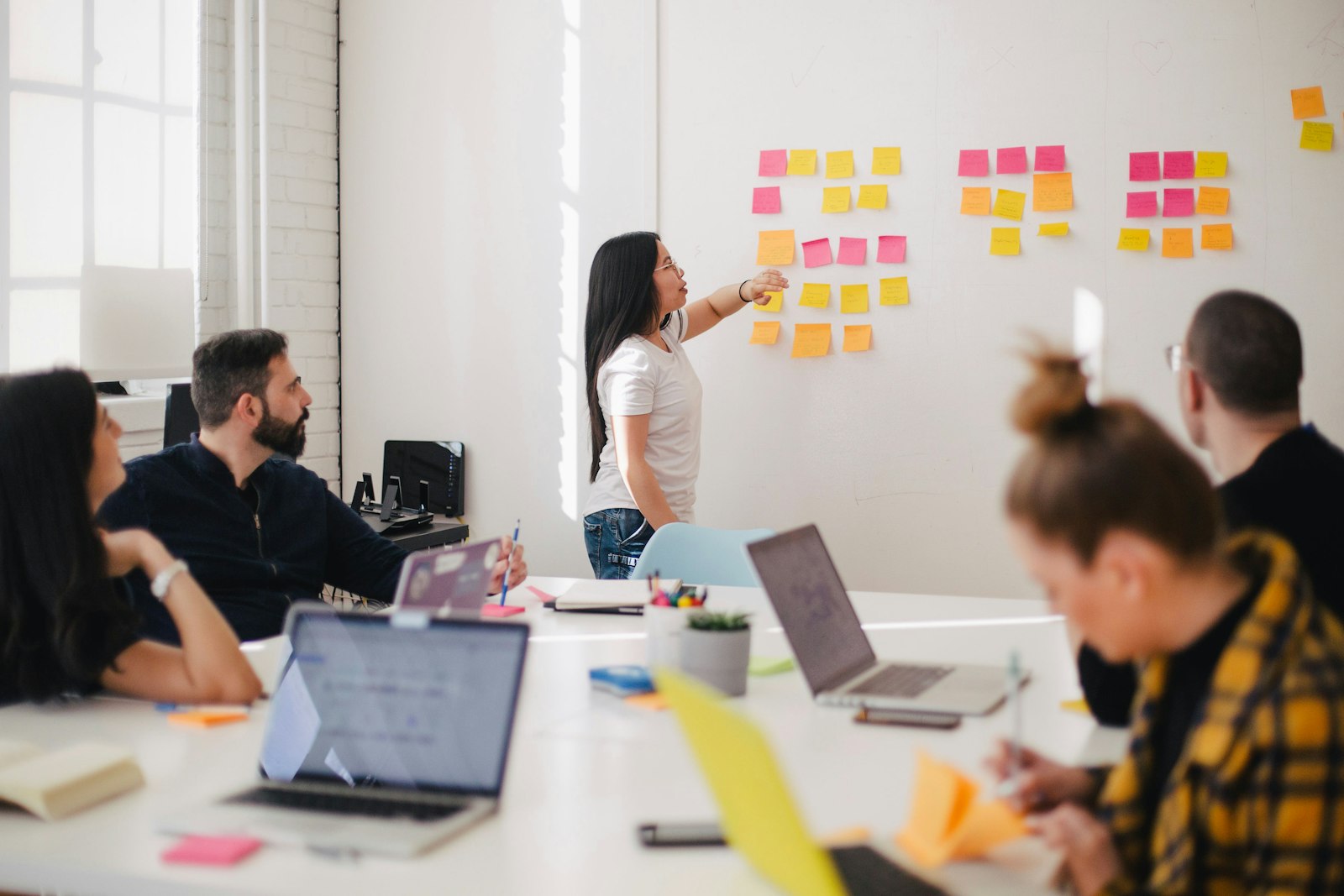
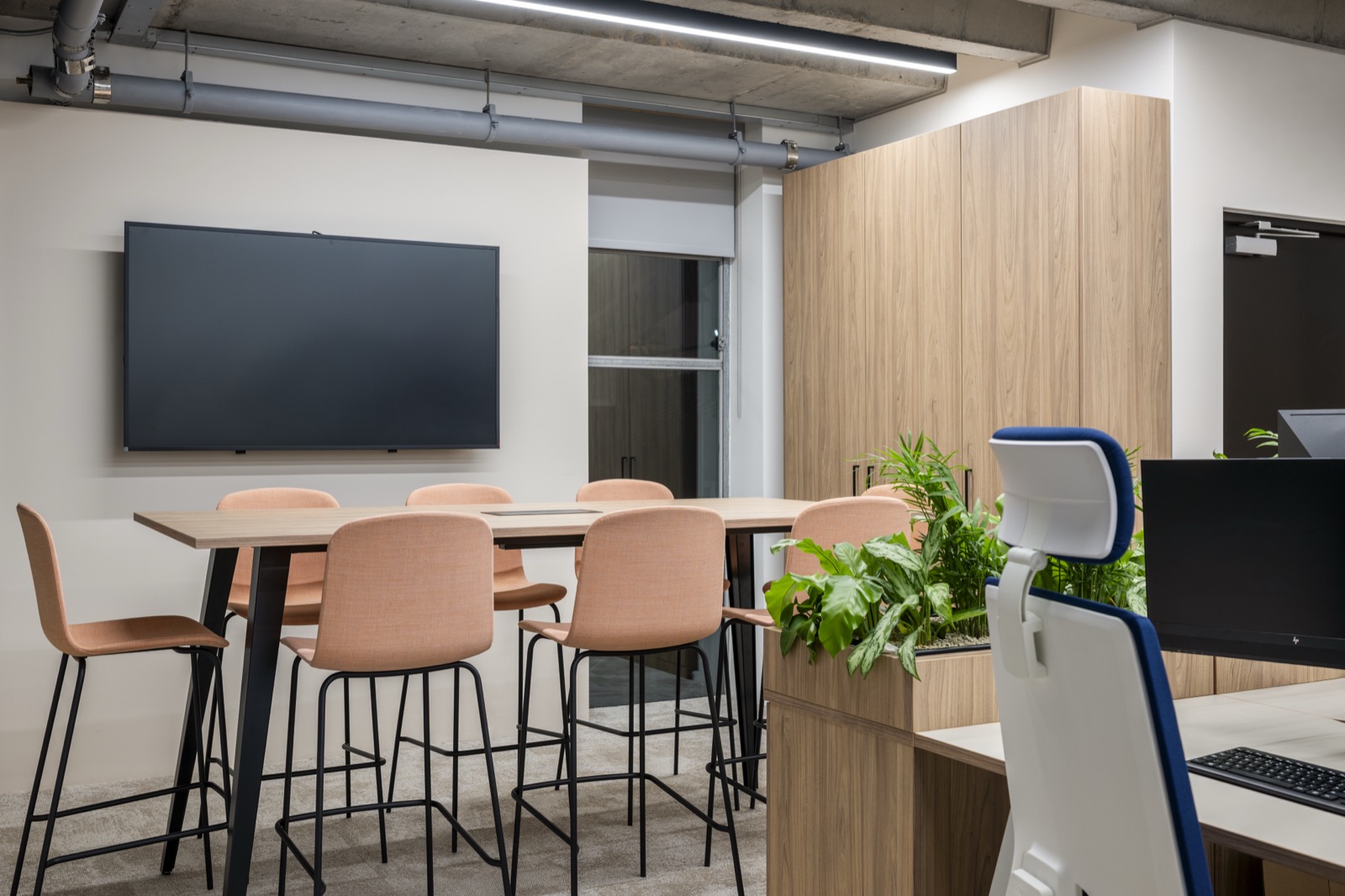
Activity-based working is central to this shift. Rather than assigning desks, the best workspace design and build projects now create distinct zones for different tasks. Quiet focus booths for deep work. Open collaboration areas for team sprints. Social spaces that feel more like a good cafe than a corporate canteen. Each zone earns its place by doing something home cannot.
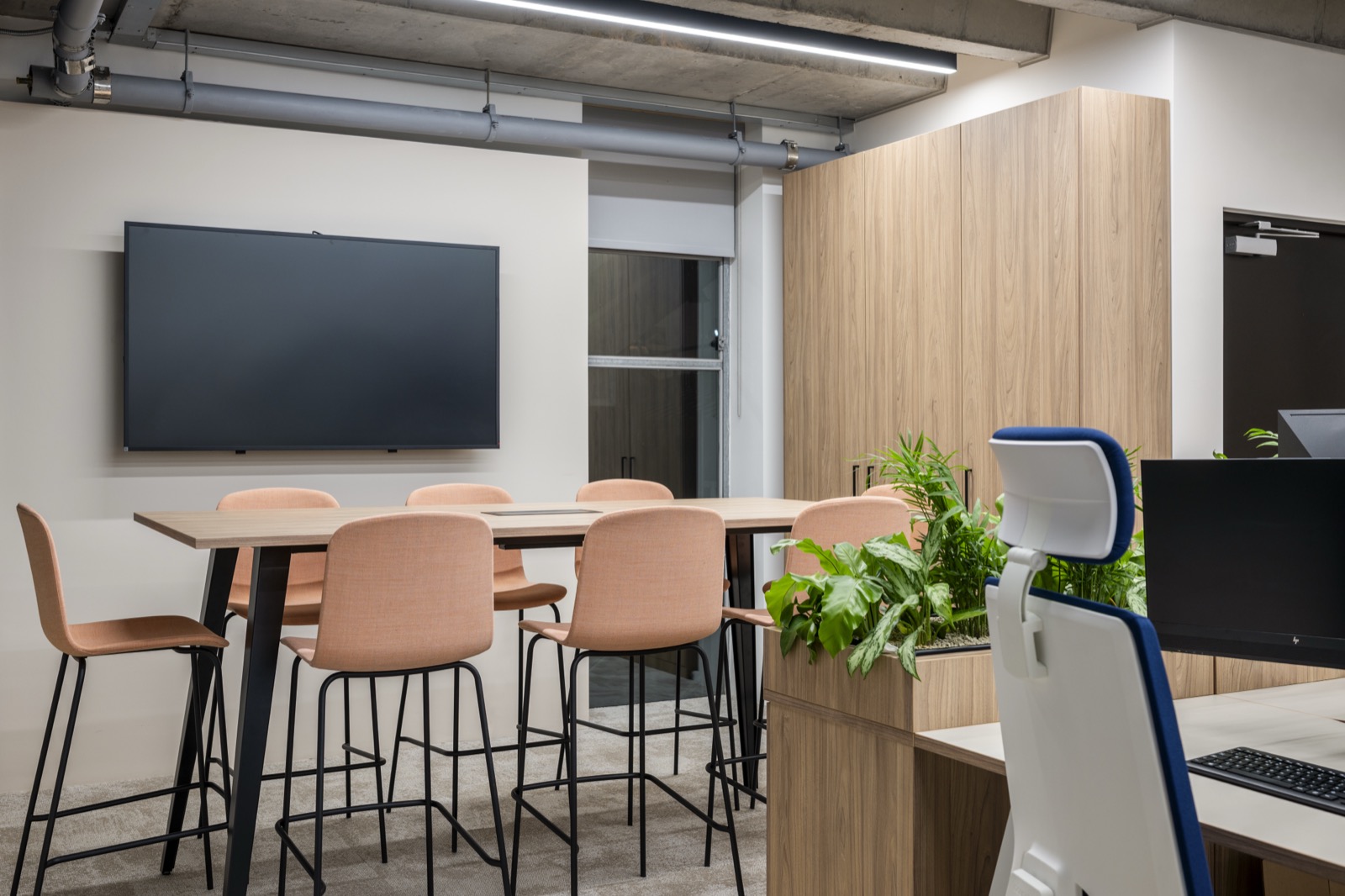
Activity-based working zones allow teams to choose the right environment for the task at hand.
The technology layer
Good hybrid workspace design is not just about furniture and finishes. Technology has to be seamless. That means room booking systems that actually work, video conferencing setups where remote participants are not second-class citizens, and occupancy sensors that give facilities teams real data on how spaces are used. We have seen clients cut their real estate costs by 30% simply by understanding their actual usage patterns.
The office design trends shaping 2026 point clearly in one direction: flexibility. Modular furniture systems, moveable partitions, and plug-and-play technology mean spaces can be reconfigured in hours rather than months. That adaptability is not a luxury. It is essential when your occupancy patterns shift from day to day.
The office that tries to be everything to everyone ends up being nothing to anyone. Specificity is the new square footage.
Making the commute worth it
Here is the uncomfortable truth: if your office feels the same as it did in 2019, people will not come in. They will work from home, attend meetings on Zoom, and your expensive real estate will sit half-empty. The workspace has to compete with home on experience - not comfort, but purpose. People commute for connection, for energy, and for the feeling that they are part of something bigger.
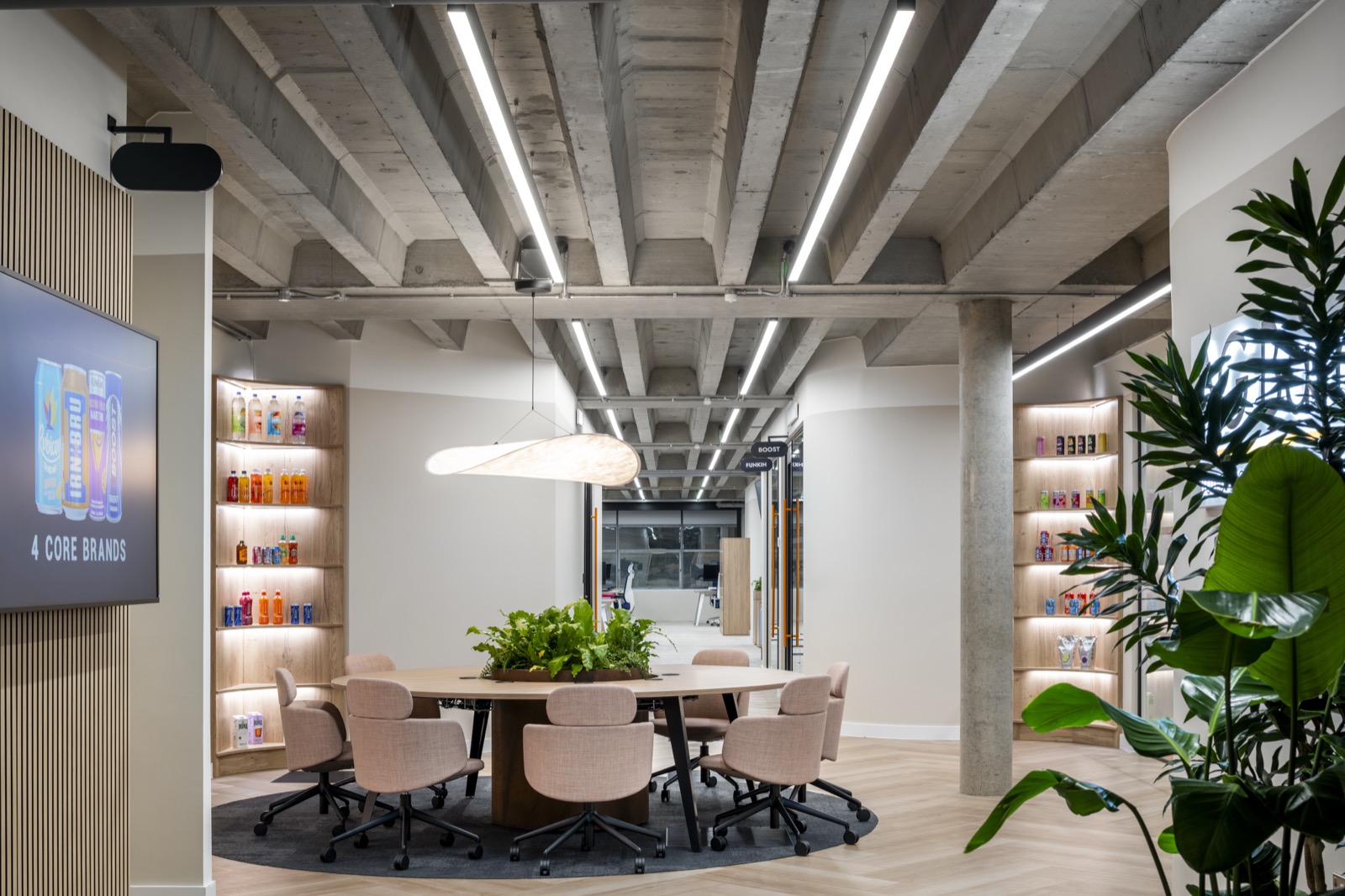
We have seen this first-hand across projects like AG Barr, where a complete office refurbishment transformed attendance patterns within weeks. When the space is designed around how people actually work - not how a lease agreement says they should - everything changes. If you are rethinking your hybrid strategy, get in touch. The best time to redesign was yesterday. The second best time is now.