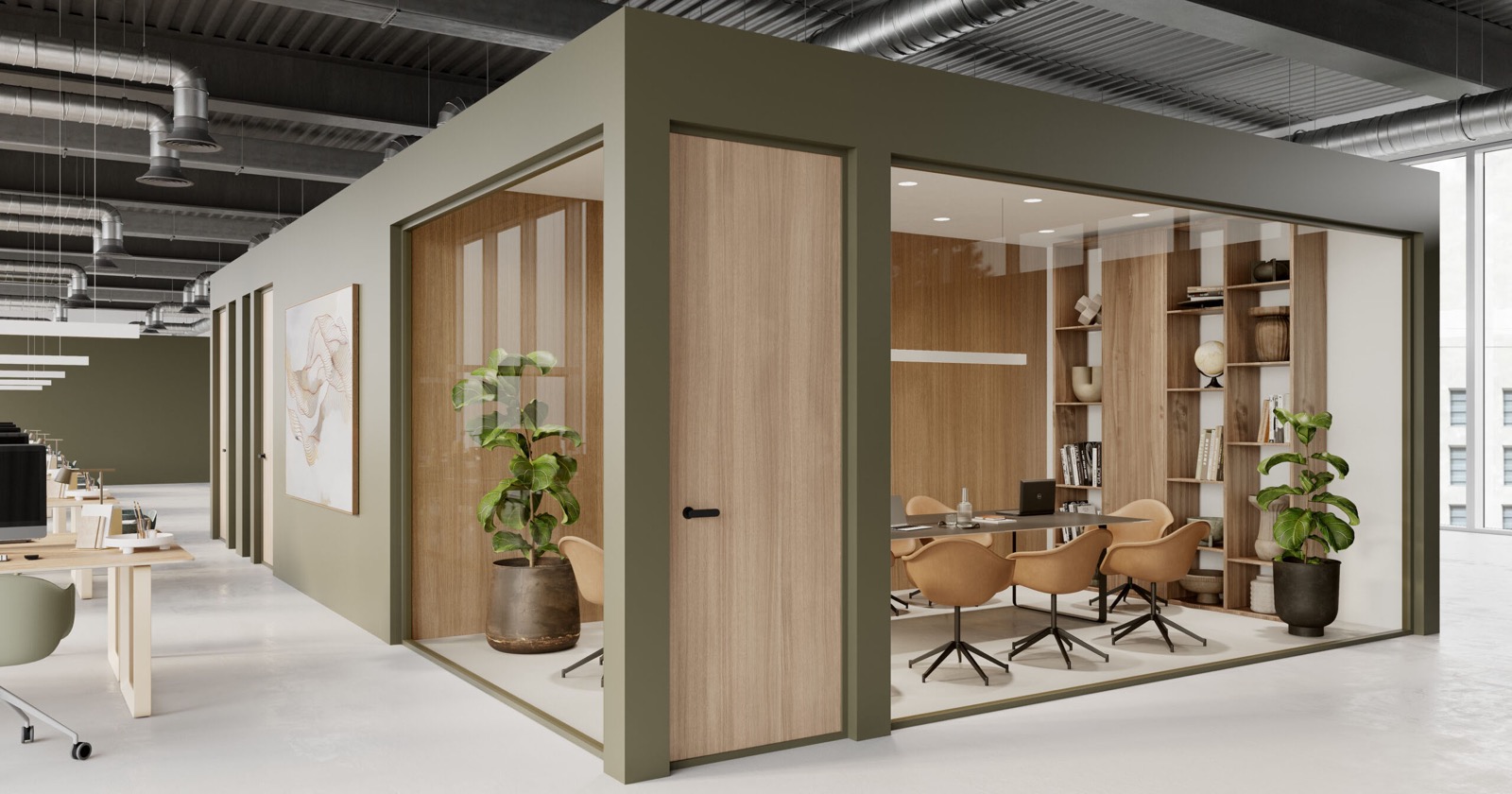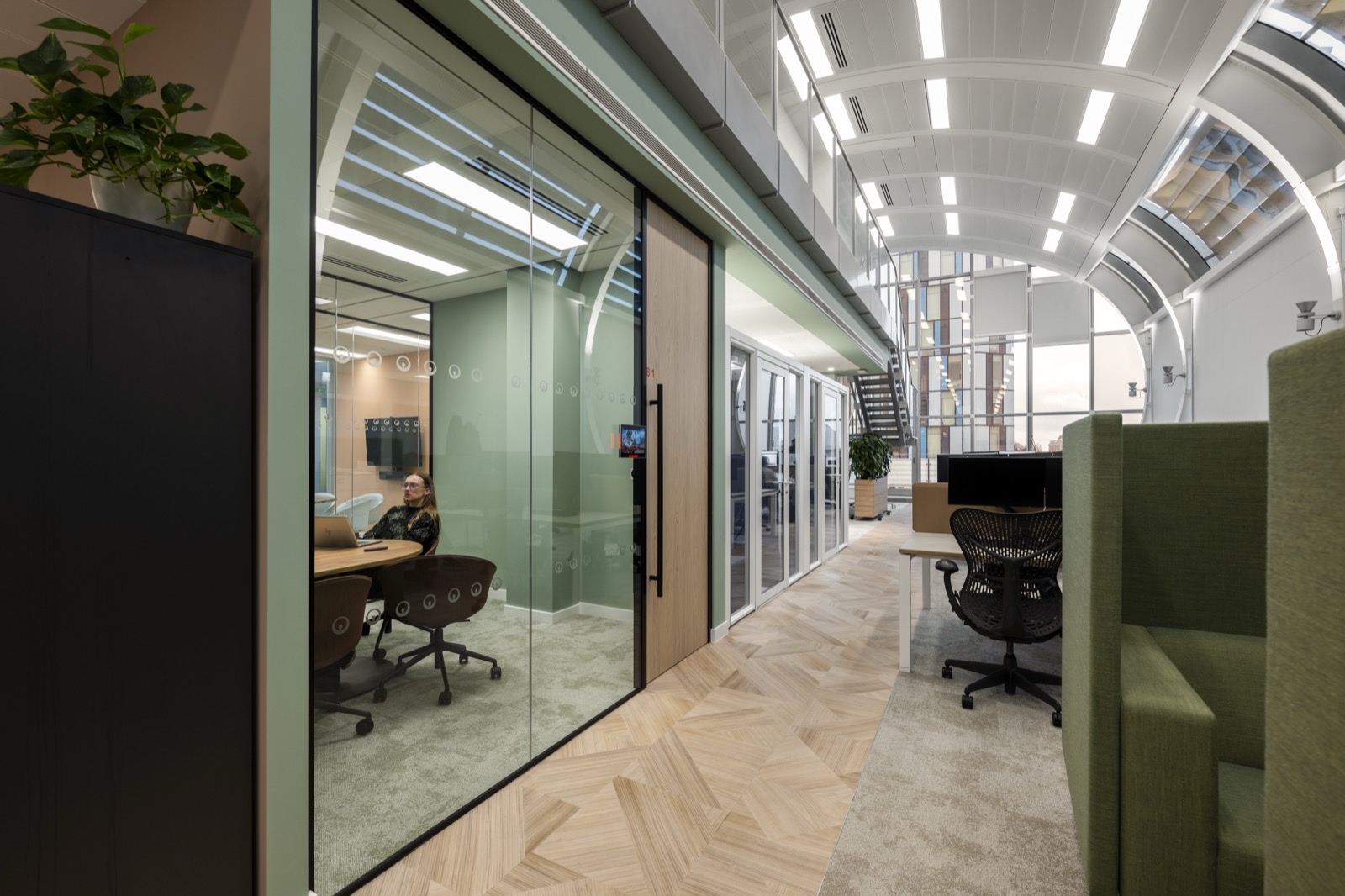
Humans evolved outdoors. We spent 99% of our history surrounded by natural light, fresh air, and organic textures. Then we moved into sealed boxes with fluorescent lighting and plastic finishes and wondered why people felt drained by 3pm. Biophilic office design is the antidote - and the evidence for it is now overwhelming.
The science behind biophilic design
This is not about aesthetics. Research from the University of Exeter found that employees in offices with natural elements are 15% more productive than those in stripped-back environments. A study by Human Spaces showed that workers with access to natural light and greenery reported 13% higher levels of wellbeing. These are not marginal gains. They are transformative.
Biophilic design works on three levels. Direct nature - actual plants, water features, natural light. Indirect nature - natural materials like timber, stone, and wool, plus organic shapes and patterns. Spatial conditions - varied ceiling heights, prospect and refuge zones, and spaces that echo the complexity of a natural landscape. The best office interior design weaves all three together.
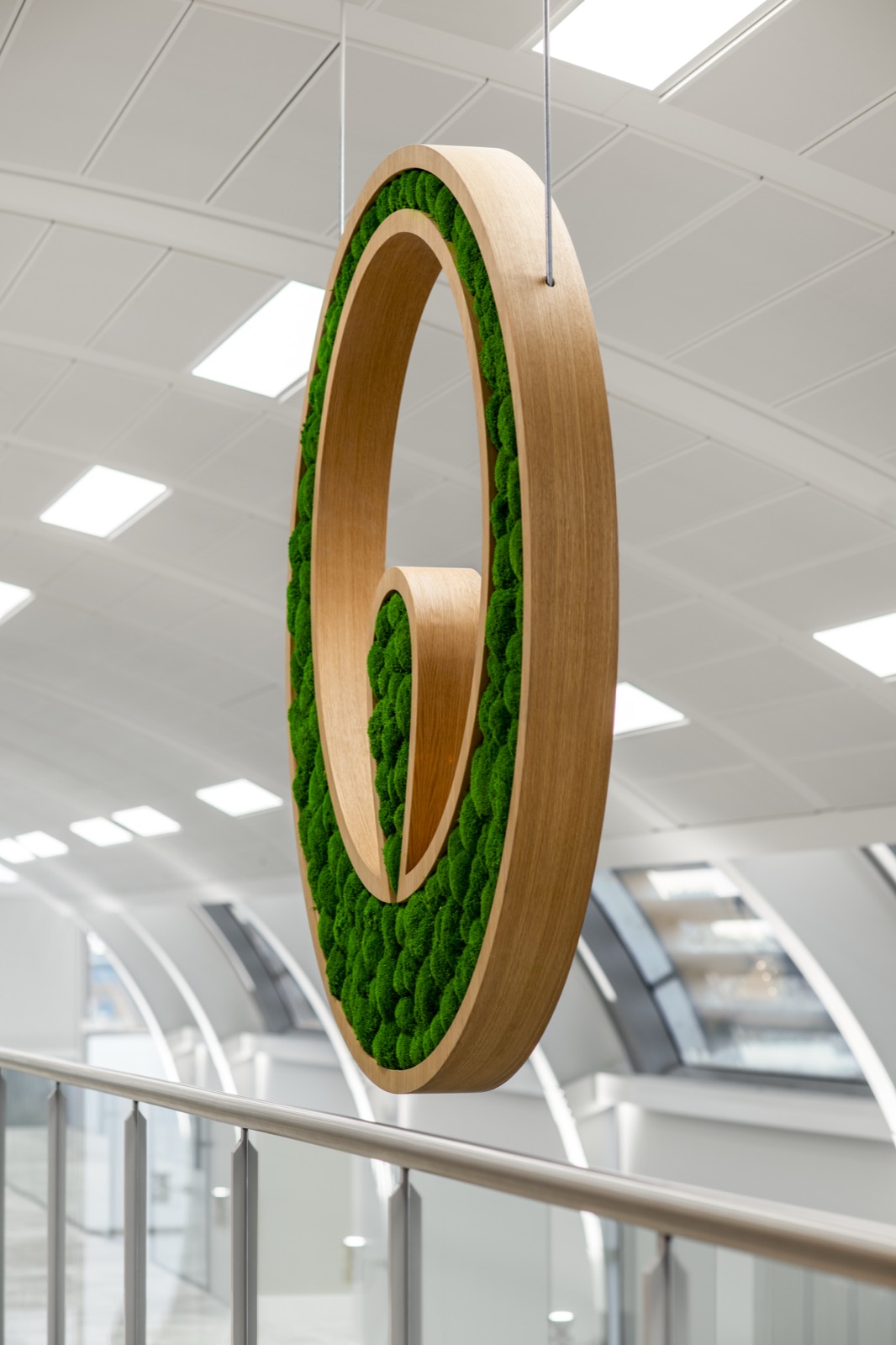
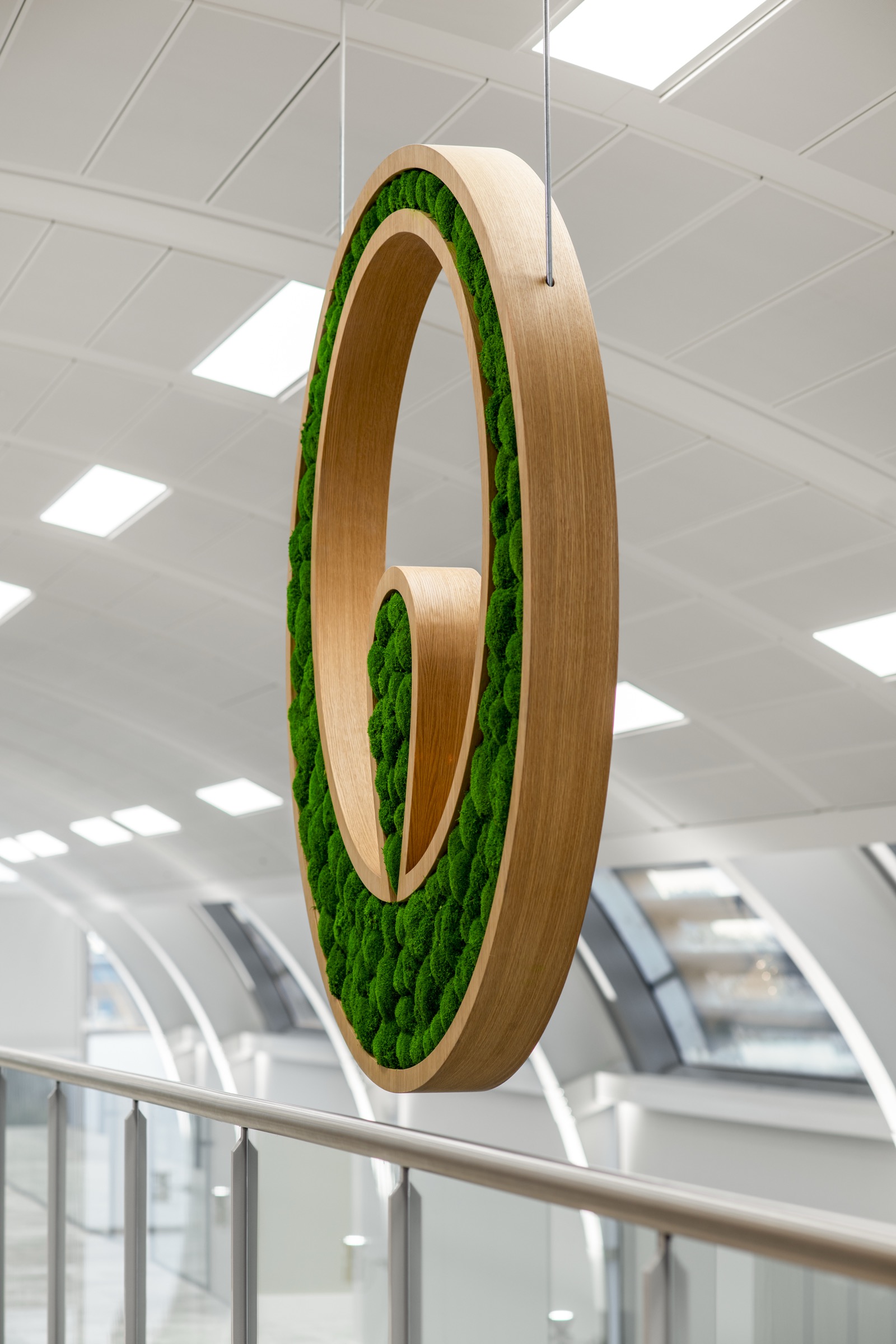
Living moss walls and natural timber create a strong connection to nature from the moment you enter.
Practical biophilic strategies that work
You do not need a rooftop garden to bring nature into your workspace. Start with daylight. Position workstations within 8 metres of a window wherever possible. Use glass partitions instead of solid walls to let light travel deeper into the floorplate. Supplement with circadian lighting systems that shift colour temperature throughout the day.
Material selection matters enormously. Specify real timber, not laminate. Use acoustic panels made from recycled felt or moss rather than plastic alternatives. Choose stone or terrazzo for reception areas. These materials age gracefully and develop character over time - the opposite of the sterile, replaceable finishes that dominate most commercial fit out projects.
The best biophilic design does not look designed at all. It feels instinctive - like the space was always meant to be this way.
Beyond the living wall
Living walls get all the attention on social media, but they are just one tool in a much larger toolkit. Acoustic landscaping - using varied ceiling heights and soft materials to create pockets of quiet - mimics the way sound behaves outdoors. Circulation routes that meander rather than run in straight lines encourage movement and chance encounters. Colour palettes drawn from nature - greens, earth tones, sky blues - reduce visual stress.
We have integrated biophilic principles across our portfolio, from small studio refurbishments to large-scale headquarters. The feedback is consistent: people feel calmer, more focused, and more connected to their surroundings. If you are planning a workspace project and want to explore how biophilic design could work for your team, we would love to hear from you.